St. Louis-Style Frozen Custard: What It Is and How to Make It at Home
October 11, 2026 - Frozen Custard
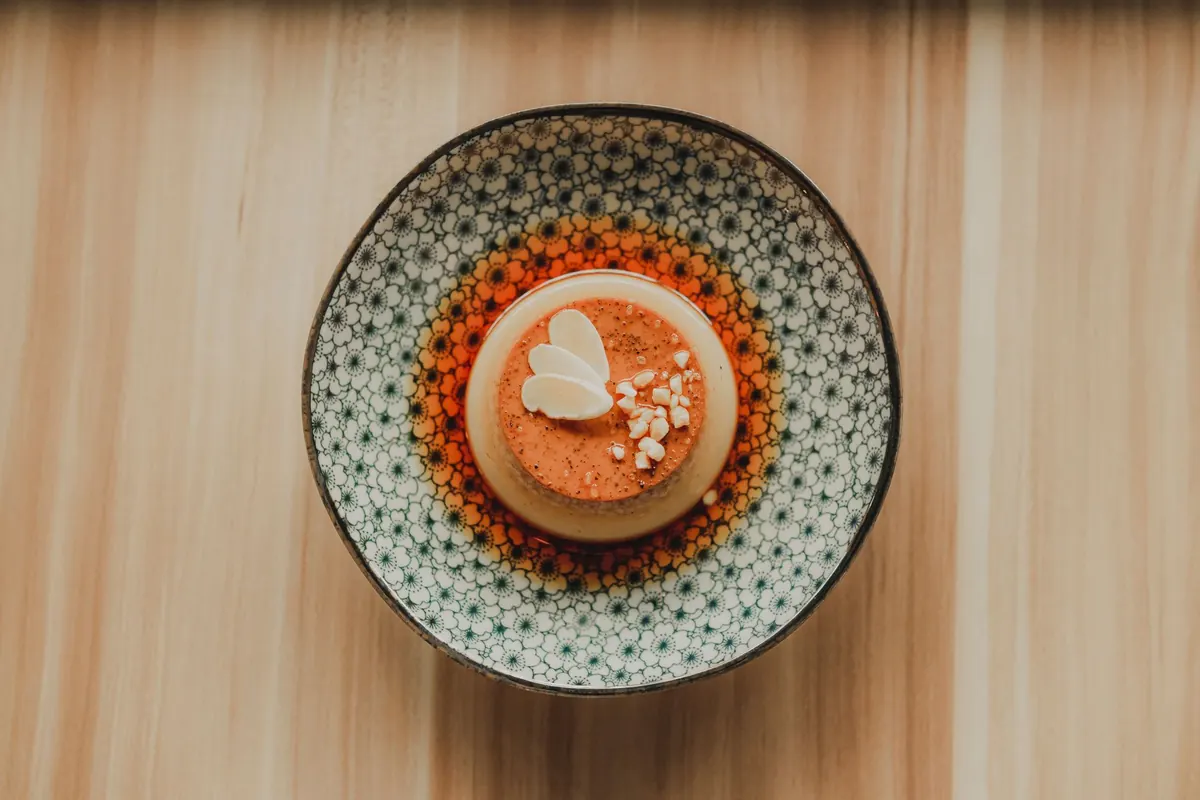
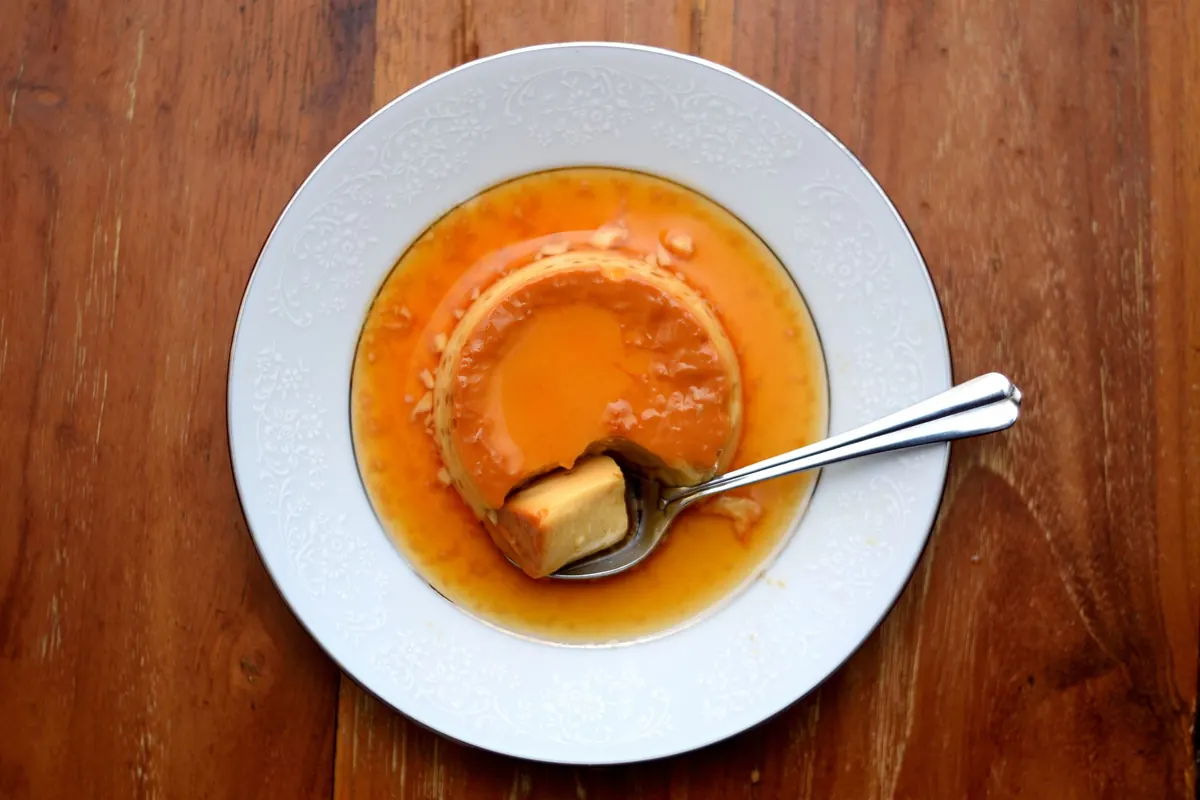
Set a pale dish of baked custard beside a crème brûlée and the family resemblance is obvious. Both wobble when you nudge the ramekin. Both taste of vanilla, cream, and egg. Both make a table go quiet for a few seconds. The differences show up in the details: the color, the weight on the tongue, and that thin sheet of caramel that either shatters under a spoon or never existed in the first place.
Knowing which one you're making changes how you pick ingredients, how you bake, and how you finish. It also saves you from the two standard disappointments in this corner of the kitchen — a custard that turns rubbery and a brûlée that refuses to set.
Custard is a family, not a single recipe. At its simplest it's dairy, sugar, and eggs, cooked until the egg proteins unwind and link together, thickening the liquid into something spoonable. Everything else — fat content, ratio, whether it's baked or stirred — is a variation on that theme.
Crème anglaise, pastry cream, lemon curd's richer cousin, ice cream base. These cook on the stovetop with constant stirring and stay pourable. They're sauces and fillings, served cold or warm over something else.
Custard cups, flan, crème caramel, pots de crème, and crème brûlée. These go into a low oven and set into a soft solid. This is the group where a plain custard and a brûlée sit side by side, so it's the comparison worth making.
A basic baked custard is usually built from whole milk, or a milk-and-cream blend, plus whole eggs, sugar, and flavoring. A reliable starting point is 2 cups of milk to 3 large eggs and about 1/3 cup sugar. It's inexpensive, forgiving, and ready in under an hour.
Crème brûlée swaps in heavy cream and yolks only. A typical batch uses 2 cups of cream, 5 or 6 yolks, and 1/3 to 1/2 cup sugar. No whites, no water, no filler.
Why the swap matters. Milk is roughly 87 percent water, and that water dilutes the mix, giving the finished custard a firmer, cleaner set. Heavy cream carries about a third of its weight in fat, which coats the tongue, softens the eggy note, and produces a denser, silkier texture. Egg whites are mostly water and protein, so they add structure that sets firmly. Yolks contribute fat and lecithin, an emulsifier that keeps the mixture smooth, along with the deep yellow color.
The result: a plain custard tastes of milk and egg with vanilla riding on top. A brûlée tastes of cream first, with egg barely audible underneath.
A well-made baked custard is tender but sliceable. It holds a clean edge when you cut it, and a spoon sinks through without resistance. Because of the water in the milk and the whites in the mix, it sets at a slightly higher temperature and firms up faster, which is why it's easier to overcook.
Crème brûlée is looser by design. All that fat interferes with protein bonding, so the custard sets softly and stays almost molten in the center. It should tremble as one piece when you shake the ramekin, not ripple in the middle like a puddle.
Temperature is the real control here. Most baked custards are finished somewhere between 170°F and 180°F internally, and both types benefit from an oven set at 325°F with a water bath underneath. Pull them early rather than late; carryover heat keeps cooking the custard after it leaves the oven.
If the center still jiggles like set gelatin and a knife inserted an inch from the edge comes out clean, it's done. If the knife comes out clean from the center, you're already late.
This is where the two diverge completely. Plain custard is finished with what you put on it or around it: a drizzle of caramel, a spoonful of macerated berries, a grating of nutmeg, a pool of caramel sauce, a dollop of whipped cream. The custard is the base, not the event.
Crème brûlée is finished with a torch. The method is short, but the details decide whether you get glass or grit:
No torch? A broiler works if you set the ramekins on a sheet pan, keep the rack high, and watch them without walking away — the window between caramel and burnt is about thirty seconds. A small kitchen torch is cheap and gives you far more control.
Both are make-ahead desserts, which makes them useful for entertaining. The deciding factors are occasion, texture preference, and equipment.
Substitutions are possible but they change the outcome. Half-and-half in a brûlée will set firmer and taste leaner; extra yolks in a simple custard will push it toward brûlée territory and slow the set. If you're baking for someone avoiding eggs entirely, custard and brûlée are both off the table — cornstarch-thickened puddings are a different dessert with a different texture, and they won't torch the same way.
Flavor is where the two recipes meet again. Vanilla bean, orange zest steeped in the warm dairy, a spoonful of espresso powder, a little cinnamon, a few drops of almond extract — all work in either base. Steep, strain, and taste the mixture before it goes in the oven, because once it's baked you can't correct it.
Reach for plain baked custard when you want something quick, economical, and gentle — a dessert that behaves like a soft set pudding and takes kindly to fruit, caramel, or a dusting of nutmeg. Reach for crème brûlée when you want richness, a theatrical finish, and a texture that's closer to chilled cream than to set egg.
Bake either one in a water bath at a low temperature, pull it while the center still trembles, and chill it completely before serving. Do that, and the only real question left is whether you feel like using a torch tonight.
Photo: SpotwizardLee / Pexels
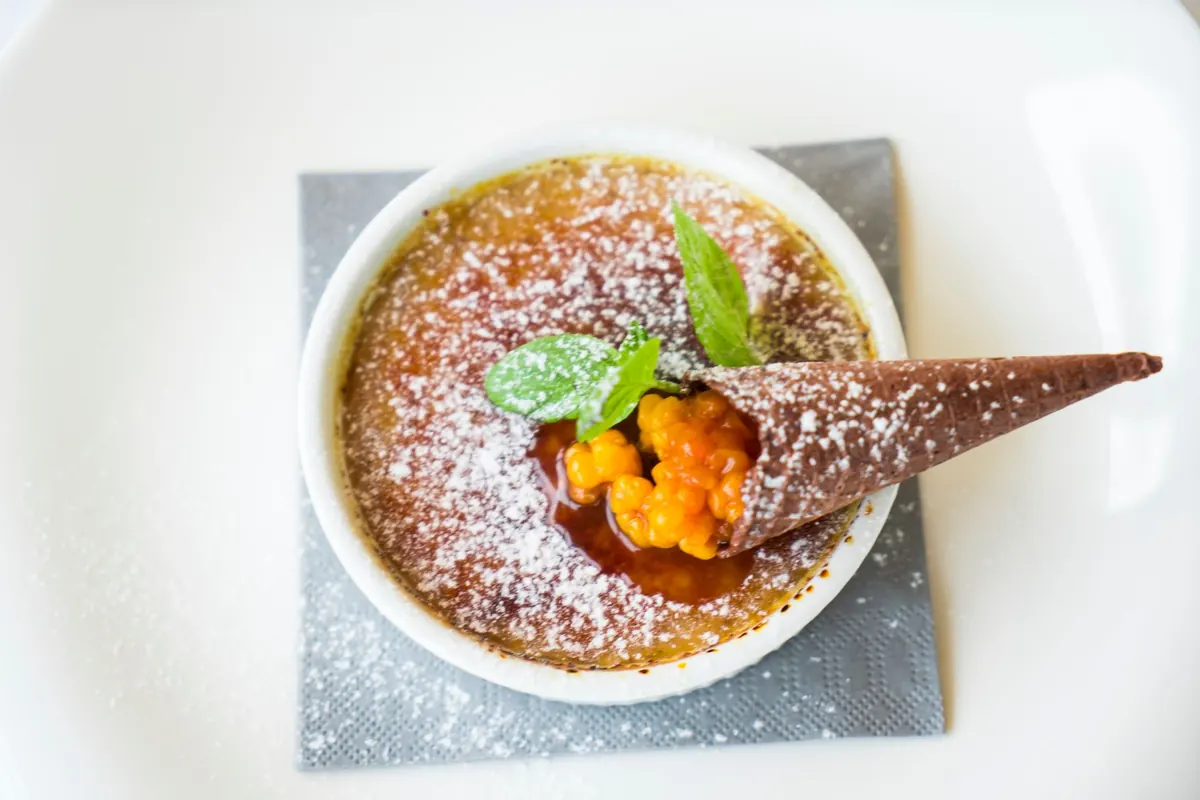
St. Louis-style frozen custard is denser, richer and silkier than ice cream. Here is what defines it and how to make...
Learn the two cues that tell you a baked custard is done: the jiggle test at the center and an internal temperature...
Copyright © 2026 Custard Desk. All Right Reserved.