St. Louis-Style Frozen Custard: What It Is and How to Make It at Home
October 11, 2026 - Frozen Custard
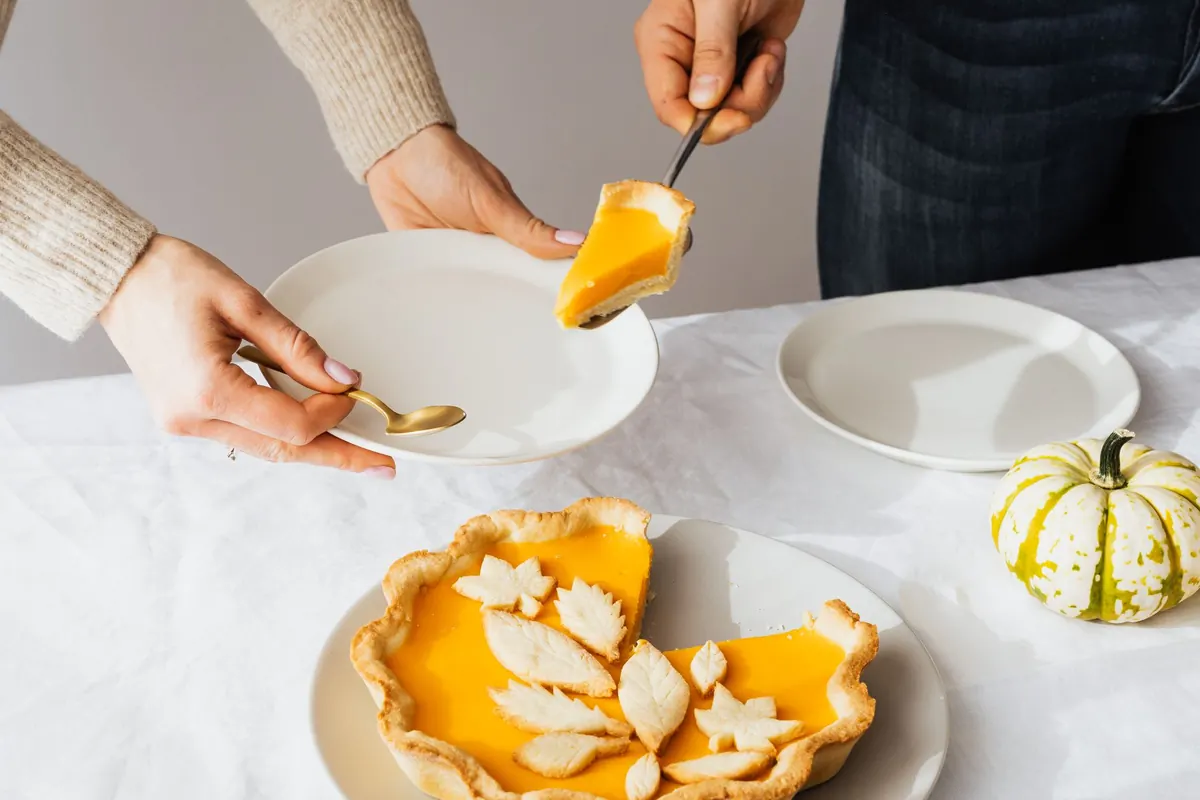
Two custard pies leave the same oven, filled with the same silky pumpkin mixture, and land on two very different plates. One has a flaky base that shatters under a fork. The other has a pale, gummy layer where the crust used to be. The filling is almost never the culprit. The crust method is, and it's the one decision most recipes bury in a single vague line.
Blind baking and no-bake crusts aren't competing philosophies. They're tools, and each one suits a different kind of custard. Get the pairing right and the pie holds its shape, cuts cleanly, and tastes like something you'd pay for.
Blind baking means baking a pastry shell empty, weighed down so it doesn't puff or slump, before any filling goes in. You can par-bake it, which sets the structure and dries the surface but leaves it pale, or fully bake it to a deep golden brown. Par-baking is for fillings that will go back into the oven. Full blind baking is for fillings that never will.
A no-bake crust never sees meaningful oven time. Crushed graham crackers, digestive biscuits, gingersnaps, shortbread, or coconut pressed with melted butter and chilled until firm. It's fast, forgiving, and has a buttery snap that plays well against cold, creamy fillings. What it doesn't have is a waterproof structure. Under a wet custard it softens from the bottom up.
There's a third path worth naming: the unbaked shell filled with raw custard and baked all at once. It's the classic pumpkin pie approach, and it works, provided you accept that the bottom inch of crust will be softer than the rest.
The technique is simple, but the details decide whether your shell shrinks into a sad little bowl or stays put.
One caution: if the filling bakes for another 40 minutes, stop at the par-bake stage. A fully browned shell going back into the oven turns dark and bitter at the rim.
Crumb crusts shine under fillings that are cooked on the stovetop and poured in cold, or whipped and chilled. A coconut cream pie, a chocolate silk pie, a key lime filling that sets in the refrigerator — these belong on a crumb base. The crust stays crisp because nothing wet ever heats it.
A rough ratio to work from: about 1½ cups of fine crumbs to 5 or 6 tablespoons of melted butter, plus a spoonful of sugar if the crumbs aren't already sweet. Press firmly with the flat bottom of a measuring cup, working up the sides first, then the base. Chill for 20 minutes before filling.
Here's the trick most recipes skip. Even a "no-bake" crumb crust benefits from 8 to 10 minutes in a 350°F oven. It firms the butter, deepens the flavor, and buys you real crispness under a moist filling. It's still no-bake in spirit.
Par-bake the pastry. Pumpkin custard is heavy, wet, and bakes for close to an hour, which is plenty of time to soak a raw shell. A par-baked crust plus an egg white seal gives you a bottom that's tender rather than sodden. Pour the filling in while the crust is still warm; the bottom sets faster that way.
Buttermilk custard is thin and acidic, the worst combination for a raw crust. Par-bake, seal, and consider baking the pie on a preheated sheet pan so heat drives into the base immediately. Skip crumb crusts here — a buttermilk pie will turn graham crackers into paste.
It depends entirely on the style. A baked coconut custard behaves like pumpkin: par-baked pastry. A coconut cream pie with a cooked, chilled filling wants either a fully blind-baked shell or a crumb crust made from graham crackers or toasted coconut, baked briefly for firmness.
Lemon meringue and most key lime fillings are cooked on the stovetop and never see the oven. That means a fully blind-baked pastry shell, cooled completely, or a baked graham crust. There's no second chance to crisp the base, so do it now.
Chess pie bakes low and slow for a long time, which is hard on a raw shell. Par-bake it, then brush the hot crust with egg white. For a stirred vanilla custard or chocolate cream pie, full blind baking is the standard, and a thin chocolate layer brushed over the base is cheap insurance.
Whatever you choose, these habits stack the odds in your favor.
One safety note worth repeating: custard pies contain eggs and dairy, so refrigerate leftovers promptly rather than leaving them out for the afternoon.
If you take one rule from all of this, make it this: the wetter the filling and the longer it bakes, the more pre-baking the crust needs. Pumpkin, buttermilk, and chess pies want a par-baked shell. Coconut cream, chocolate silk, and citrus pies want a fully baked one, or a crumb crust that's had a few minutes in the oven.
When you're unsure, par-bake. It costs ten minutes and rarely ruins anything. Write down what you did on the recipe card, note how the bottom turned out, and adjust next time. Two or three pies in, you'll stop guessing entirely and start choosing deliberately — which is when custard pie stops being fussy and starts being the easiest dessert you make.
St. Louis-style frozen custard is denser, richer and silkier than ice cream. Here is what defines it and how to make...
Learn the two cues that tell you a baked custard is done: the jiggle test at the center and an internal temperature...
Copyright © 2026 Custard Desk. All Right Reserved.